-
 250.327.1151
 250.327.1151
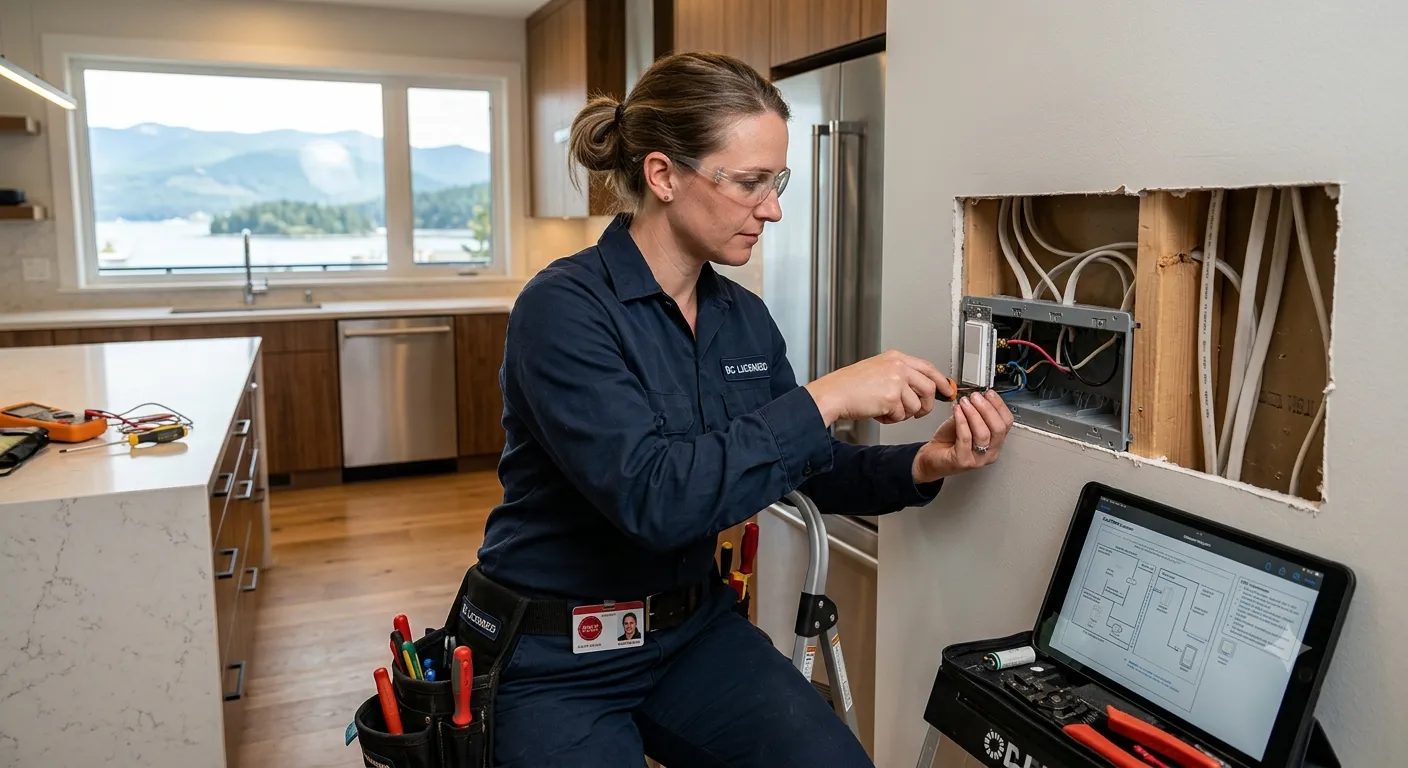
Providing reliable power infrastructure for homes requires certified expertise and strict adherence to provincial safety codes. Nanaimo Electrical Pros delivers comprehensive residential electrical services tailored to the specific demands of local properties. Whether your project involves a complete residential home wiring installation, a critical home electrical repair, or a system modernization, our team operates as fully licensed residential electrical contractors. We prioritize code compliance, operational safety, and transparent project scoping for every residential assignment in the Nanaimo area.
Older properties and heavily utilized systems often exhibit warning signs before a complete failure occurs. Prompt residential electrical maintenance is required if you observe:
Indicates an overloaded circuit or a failing residential electrical panel.
Often a symptom of loose house wiring connections or voltage drops.
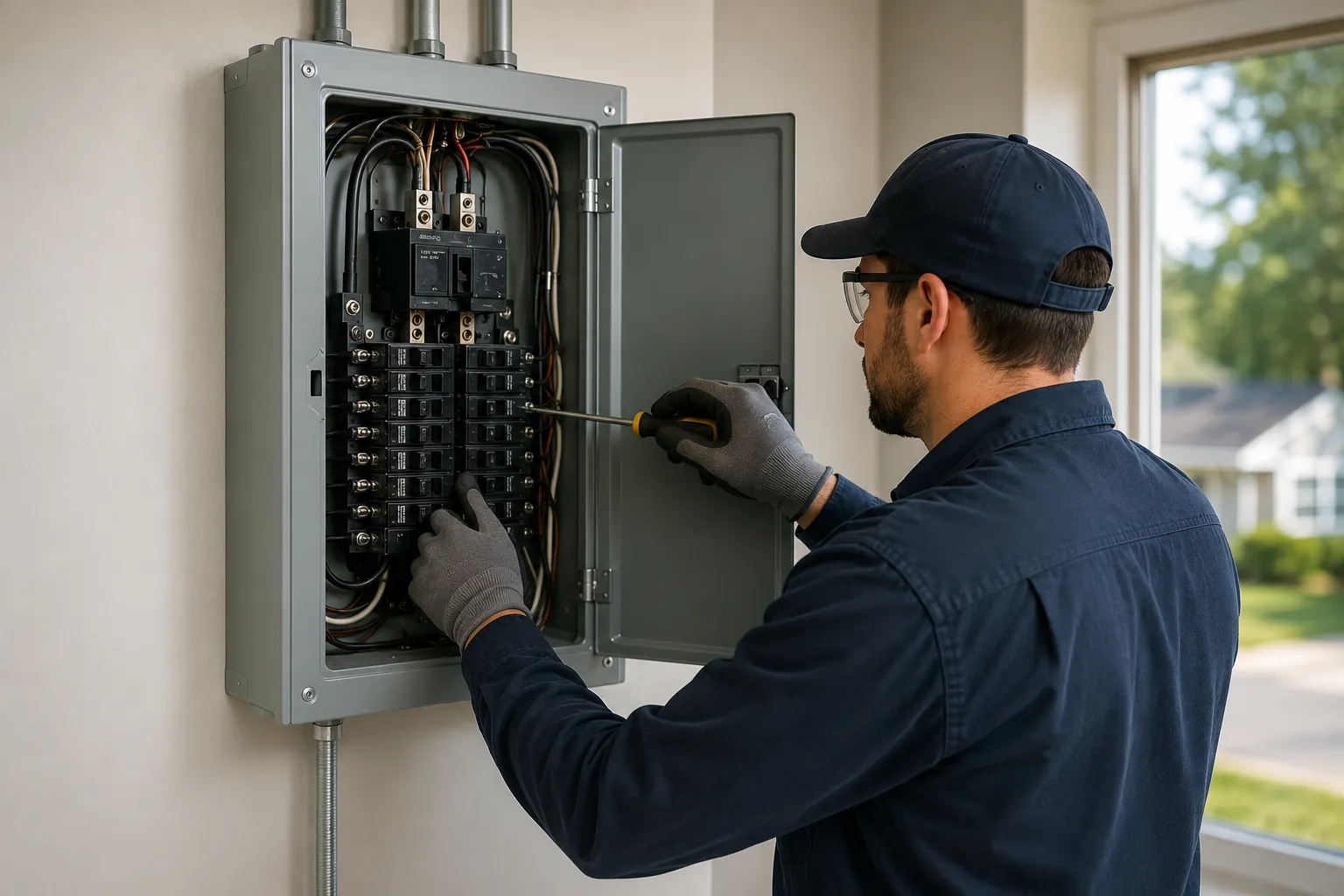
Homes still utilizing 60-amp or 100-amp services require a 200 amp panel upgrade to safely support modern HVAC systems and electric vehicles.
A critical fire hazard requiring immediate home electrical repair by a licensed professional.
| Service Specification | Typical Capacity | Estimated Investment Range* | Primary Application |
|---|---|---|---|
| Standard Main Panel Upgrade | 100A to 200A | $1,500 – $3,200 | Updating older homes to support modern loads |
| Heavy-Duty Service Upgrade | 200A to 400A | $3,500 – $6,500+ | Large residences, workshops, or multiple EV chargers |
| Residential Sub Panel Installation | 60A to 100A | $800 – $1,600 | Expanding power to basements, garages, or additions |
*Disclaimer: The final electrical panel upgrade cost is determined by site-specific factors, including service entrance conditions, permit fees, and material requirements. A formal assessment is required for exact pricing.
Our residential electrical services are adapted to the unique architectural landscape of Nanaimo and Vancouver Island.
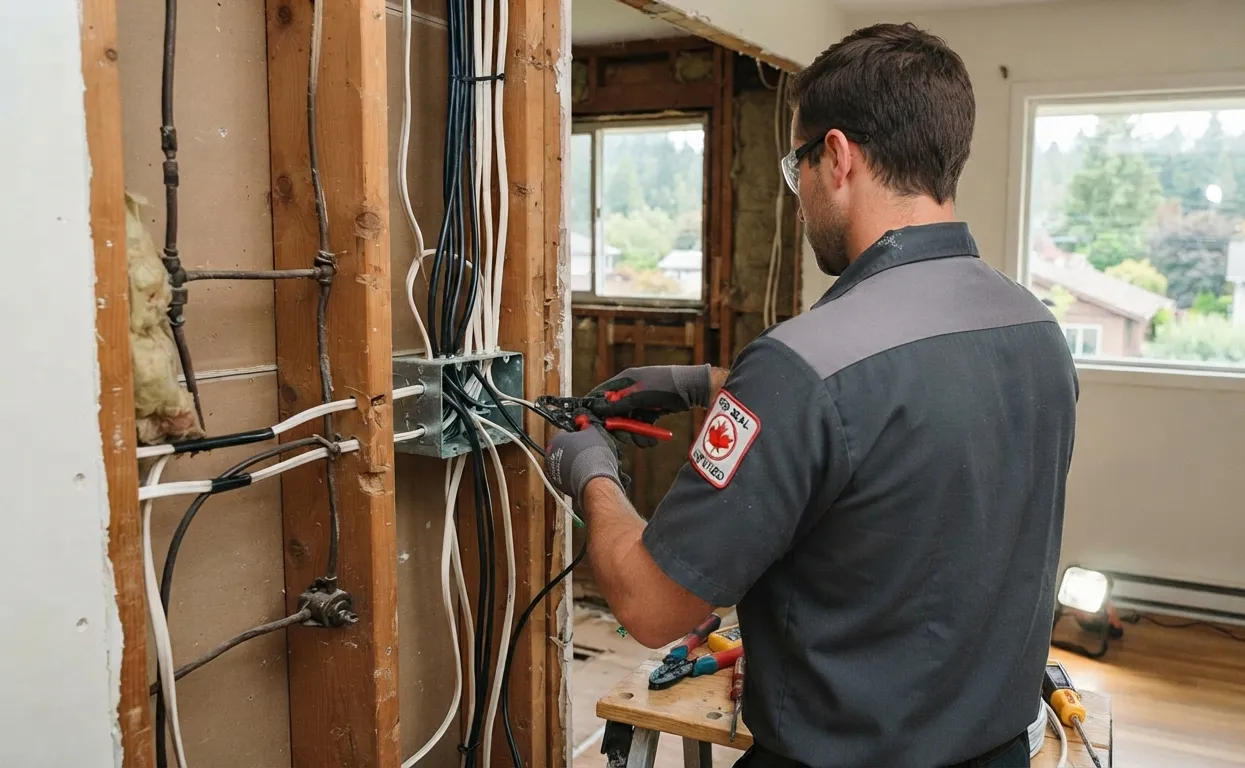
We specialize in the safe assessment and upgrading of old residential electrical wiring, replacing outdated knob-and-tube or aluminum wiring with modern, code-compliant residential home wiring.
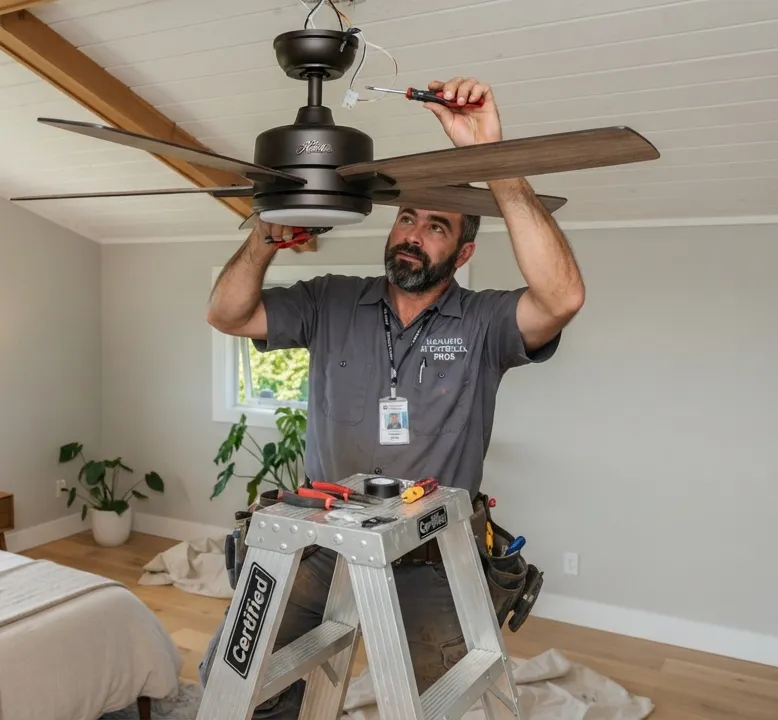
For custom builds and subdivisions, we provide end-to-end new home electrical services, from temporary power setup to final fixture installation.
We implement specialized residential surge protection and moisture-resistant residential electrical panel solutions to combat the coastal environment.
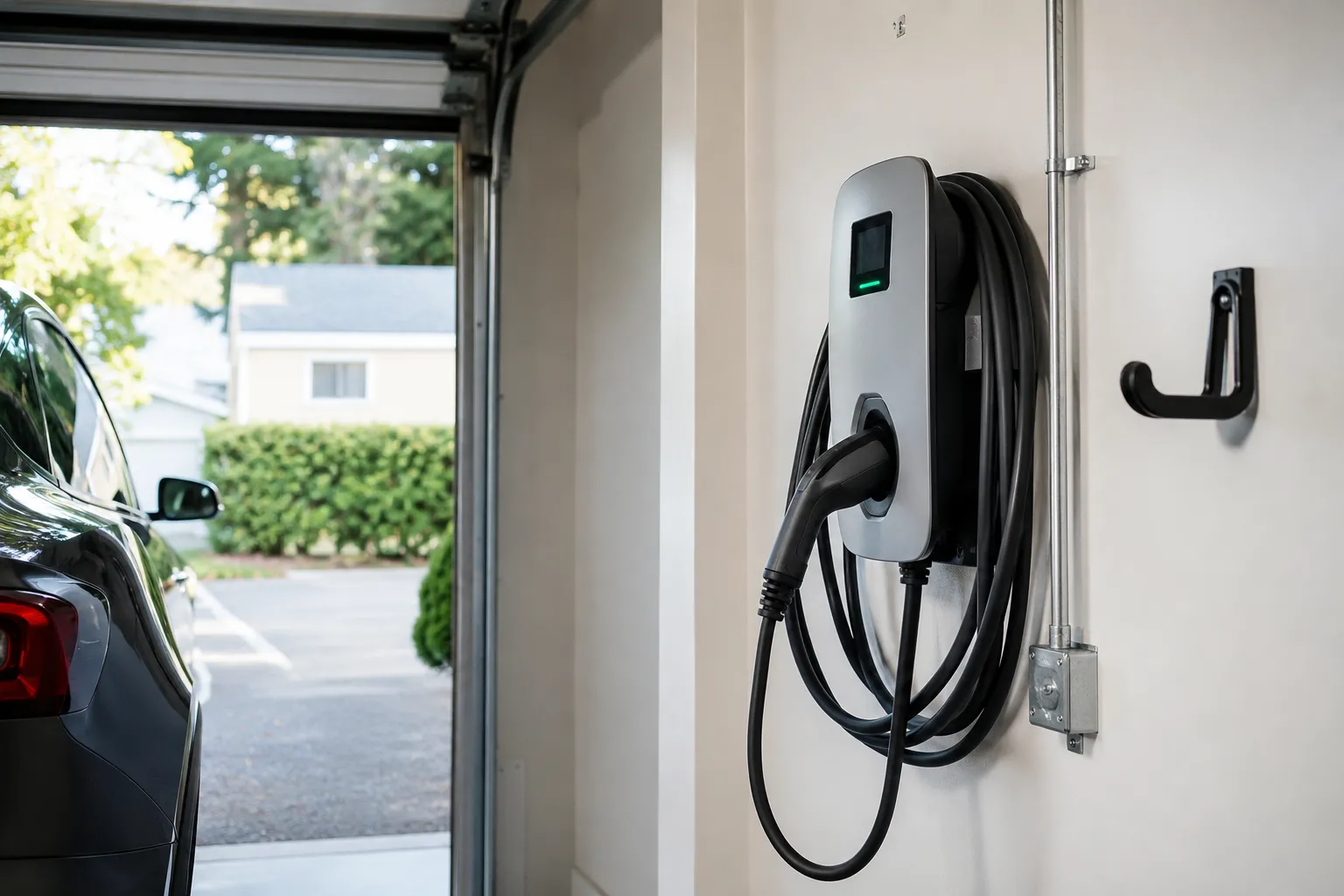
Common indicators include a panel with less than 100A capacity, frequent breaker trips, flickering lights when high-draw appliances start, ungrounded two-prong outlets, warm switch plates, or a noisy breaker box. If your home was built before 1990 and hasn't been upgraded, a 200A service upgrade is strongly recommended for modern EV charging and heat pump additions.
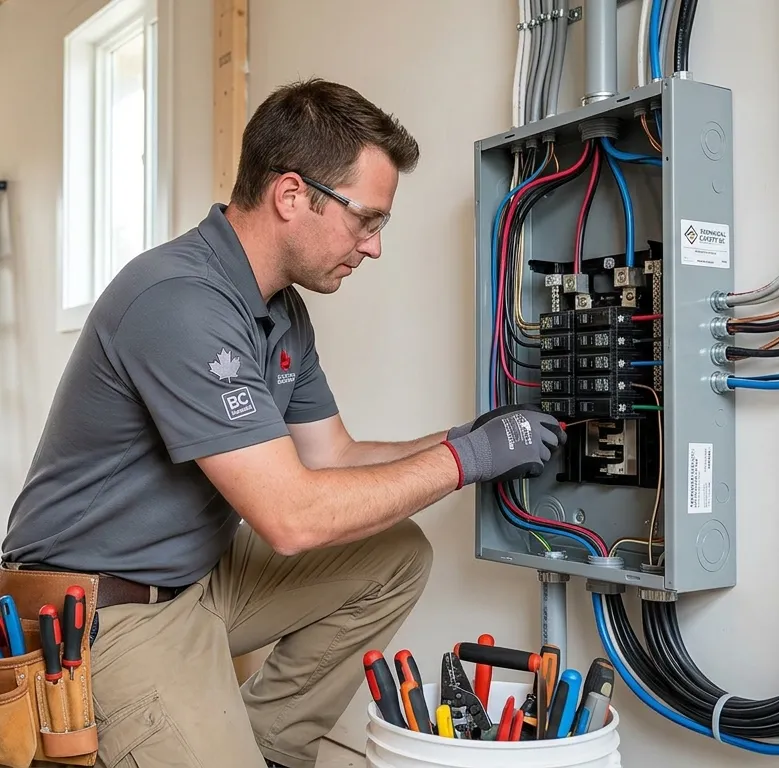
The main breaker panel receives power directly from BC Hydro, houses the main disconnect switch, and distributes electricity throughout the building. A subpanel is fed from a double-pole breaker in the main panel and is used to expand capacity in specific areas (like a detached workshop, suite, or garage) without upgrading the primary utility feed.
Yes, both present elevated fire risks. Aluminum wiring (common in 1960s–70s homes) oxidizes and expands/contracts at higher rates than copper, leading to loose connections and overheating. Knob-and-tube lacks a grounding conductor and insulation deteriorates over time. Modern insurance underwriters in BC frequently require remediation or COALR/AlumiConn connectors before issuing coverage.
A typical residential 200A service upgrade ranges from $3,500 to $6,500 CAD depending on service mast height, underground vs. overhead utility feeds, meter base relocation, BC Hydro connection fees, and provincial permit requirements. Interactive estimates can be calculated using our project specifier tool above.
Repeated breaker tripping occurs due to circuit overload (too many appliances running on one line), short circuits (hot wire touching neutral), or ground faults (hot wire touching metal box or earth). If resetting the breaker causes an immediate re-trip or spark, leave it OFF and request a thermal imaging diagnostic inspection immediately.